

-
-
-
-
Technical Services
-
Video picture

15
2021
-
04
How much do you know about building materials: the influence of stone powder on the performance of concrete
As the most widely used and the largest amount of building materials, concrete is still facing great development space in energy saving and environmental protection, reducing pollution and so on. Machine-made sand and gravel, as coarse aggregate of concrete, produce a large amount of stone powder in the production process. If these stone powder can not be used reasonably, it will not only cause waste of resources, but also pollute the environment. Therefore, the economical and reasonable use of these stone powders not only eliminates the pollution of the stone powder to the environment, but also reduces the material cost of the concrete.
Good workability is the premise of concrete quality uniformity, high performance and safety and reliability. With the development of construction technology and high-rise buildings, the workability of concrete is becoming more and more important. Good workability accelerates the construction progress due to convenient operation, improves working conditions, reduces construction noise, and provides the possibility for the production and construction of high-performance concrete. However, the mobility of concrete will decrease with the increase of time, this part of the loss is mainly caused by the hydration of cementitious materials and the reduction of water in concrete through evaporation and absorption, in addition, due to the presence of hydration products on the surface of the particles to change the interaction between the particles is also the reason for the loss of its work. The working performance of concrete with different stone powder content is tested, and the results are shown in Figure 2.1.
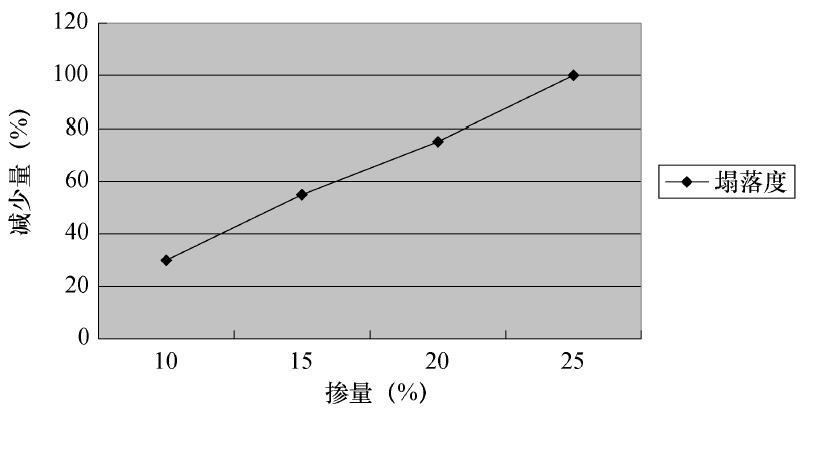
Fig. 2.1 Influence of different stone powder content on concrete working performance
Without changing the cement content, the slump of concrete without stone powder is 190mm, and the cohesion and water retention are not good, and the slump of concrete decreases with the increase of stone powder content. According to the analysis of the test results, a small amount of stone powder can improve the expansion degree of concrete mixture and increase the fluidity. This is because the stone powder plays the role of "micro aggregate". The cohesion of concrete is obviously improved with the increase of stone powder content. When the content of stone powder reaches 15%, the cohesion of concrete is changed from poor to good, and the water retention of concrete is also changed from poor to good, the bleeding situation has also been significantly improved. The incorporation of stone powder increases the viscosity of the slurry and increases the viscosity of the concrete mixture, thus reducing the slump of the concrete mixture and reducing the segregation and bleeding of the concrete. With the continuous increase of stone powder doping, the fluidity of concrete is obviously reduced, which is due to the high specific surface area of stone powder, so with the increase of stone powder doping, the water consumption required to wrap stone powder will inevitably increase, thus reducing the rheology of concrete mixture.
Influence of Stone Powder on Basic Mechanical Properties of Concrete
1 The influence of stone powder on the compressive strength of concrete
The mixing of appropriate amount of stone powder can improve the compactness of concrete, but the high content of stone powder will weaken the skeleton effect of aggregate and reduce the strength of cement slurry, thus reducing the strength of concrete. Compressive strength is the most basic index to measure the mechanical properties of concrete, the existing research shows that the increase of stone powder on the early compressive strength of concrete is more obvious, it is generally believed that the influence of stone powder on the compressive strength of concrete gradually weakens with the growth of concrete age. The compressive strength of 3d, 7d and 28d of concrete with different stone powder content is tested, and the results are shown in Figure 3.1.
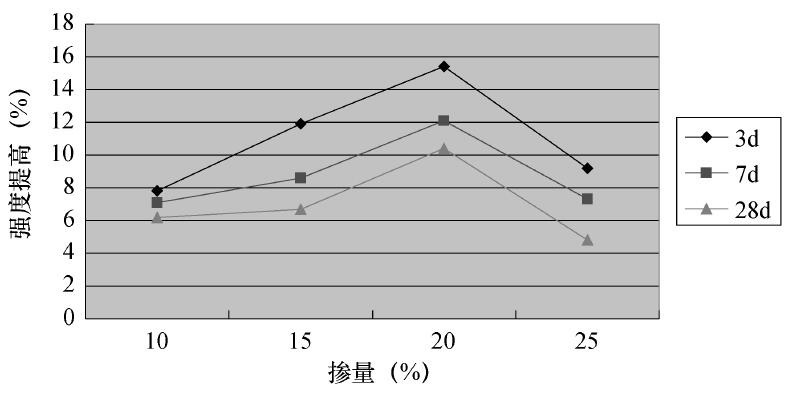
Figure 3.1 Influence of different stone powder content on compressive strength of concrete
As shown in Table 1, when the content of stone powder is 20%, the compressive strength of concrete for 3d, 7d and 28d is the highest. When the content of stone powder exceeds 20%, the addition of too much stone powder makes the gradation of concrete unreasonable, the content of coarse particles is relatively reduced, and the function of skeleton is weakened. Therefore, it has some negative effects on the strength of concrete and leads to the decrease of compressive strength. In addition, the stone powder has the greatest influence on the compressive strength of concrete 3d, followed by the compressive strength of 7d. The increase in the strength of concrete by stone powder decreases with the increase of the age of concrete, so the stone powder is of great help to the improvement of the early strength of concrete. We can also clearly see from the three-day compressive strength of concrete mixed with stone powder that the strength of concrete is higher than that of concrete without stone powder, regardless of the amount of stone powder.
Influence of stone powder on flexural strength of concrete
The flexural strength of concrete is the main quality index of concrete pavement. It is generally believed that the compressive strength of concrete is formed by the caulking of coarse aggregate skeleton and the bonding effect of cement slurry, while the flexural strength depends on the bonding strength of cement slurry and aggregate interface, which is the ideal strength in theory. In fact, the formation mechanism of flexural strength is affected by various factors, and the strength in engineering is very different from the theoretical strength. The flexural strength of concrete 28d with different stone powder content is tested, and the results are shown in Figure 3.2.
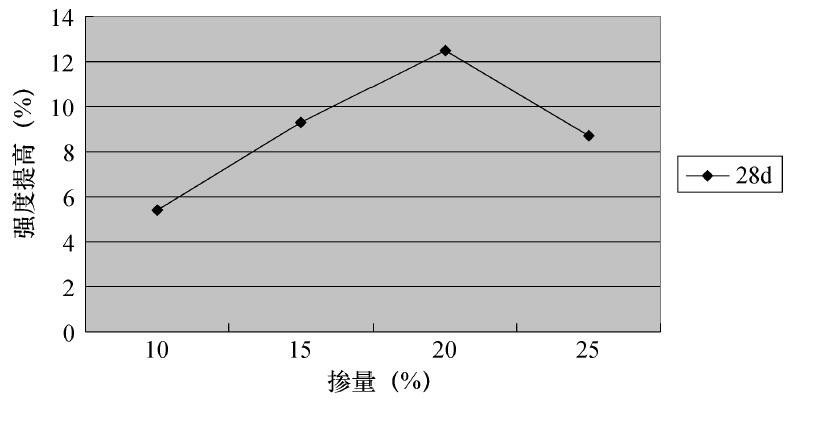
Figure 3.2 Influence of different stone powder content on flexural strength of concrete
The experimental results show that the influence of stone powder on the flexural strength of concrete is consistent with the influence of stone powder on the compressive strength of concrete, and with the increase of stone powder content, the flexural strength of concrete increases, and when the stone powder content increases to 20%, the flexural strength tends to decrease. Although the influence of stone powder on the compressive strength and flexural strength of concrete is consistent, it is not the same. When the content of stone powder is within 20%, the flexural strength increases with the increase of stone powder, and when the content is greater than 20%, the excessive stone powder reduces the bonding performance of the concrete interface, reduces the flexural strength of the concrete, and is unfavorable to the flexural strength of the concrete.
Influence of Stone Powder on Durability of Concrete
The durability of concrete refers to the resistance of concrete to climate action, chemical erosion, physical action or other destructive action. Good durability of concrete when exposed to the use of the environment, with the ability to maintain the original shape, quality and usability, not because of the protective layer carbonization or crack width is too large and cause steel corrosion, do not occur serious corrosion of concrete and affect the service life of the concrete structure and other damage.
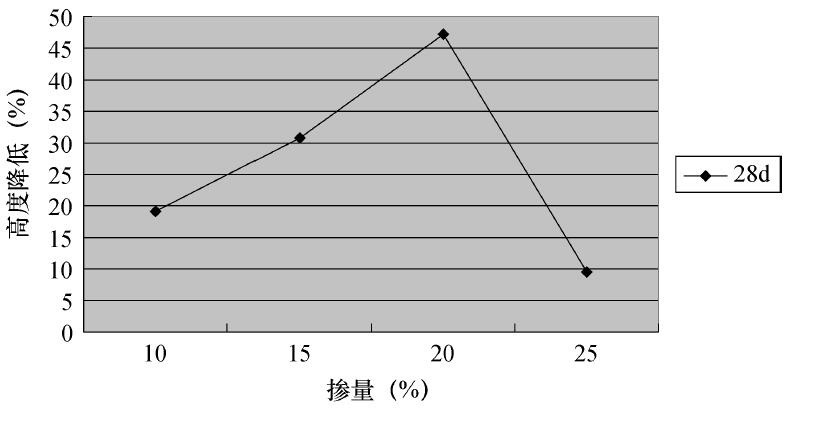
Figure 4.1 Influence of different stone powder content on the impermeability of concrete
The addition of stone powder improves the transition layer between concrete cement paste and aggregate. Among them, the interfacial transition zone connects the cement paste and aggregate with different properties into a whole, which has the most important influence on the permeability of concrete. This structure is mainly due to the uneven dispersion of aggregate and cement slurry, resulting in the separation of water in the cement slurry, accumulated around the coarse aggregate to form. Therefore, the formation of the transition layer must be suppressed as much as possible in order to obtain high impermeability. Under the same conditions of raw materials, process and water-glue ratio, the compactness of cement stone is mainly determined by the composition of the cementitious material, and a certain amount of stone powder is reasonably mixed in concrete, which can effectively improve the structure of the transition layer and improve the compactness of cement stone. It is for the above reasons that the reasonable dosage of stone powder can effectively improve the impermeability of concrete. However, with the addition of excessive stone powder, a part of the stone powder that did not participate in the reaction gathered on the surface of the aggregate, reducing the roughness of the aggregate, affecting the cementing ability between the cement paste and the aggregate, damaging the performance of the interface and reducing the impermeability of concrete.
Concrete, stone powder
No.25, Fulian Road, Fu'an Industrial Zone, Foshan City
No. 7, Jianyi Road, Xinjiang Wujiaqu Industrial Zone, Bingtuan New Building Materials Industrial Park
12 Potsdam Avenue, Berlin, Germany
WeChat Public Number
TikTok
Copyright©2014-2025 Guangzhou Hengde building materials Co. Ltd.