Classification relationship between building materials and concrete
Classification of 1. building materials
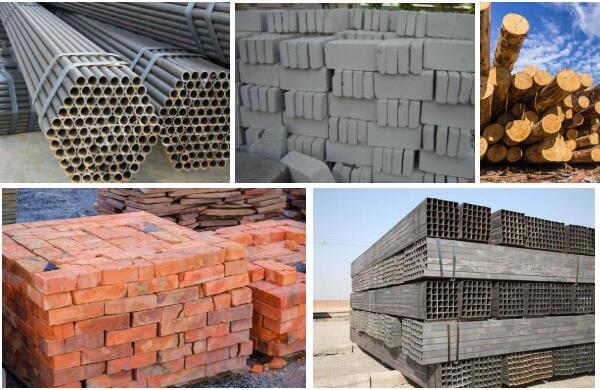
Building materials can be divided into braised and steamed classes.
1. Braised building materials
Cement, glass, ceramics, refractory materials, bricks and tiles and other building materials made of high-temperature firing belong to the braised category. People who study this kind of material major focus on developing its raw materials, proportion of ingredients and firing process. The core of the research is ingredients and process.
2. Steamed building materials
Burn-free bricks, asbestos tiles, cement tiles, hollow blocks, prefabricated box girders, prestressed hollow slabs, prefabricated pipe piles, etc. are steamed building materials. The core of learning is mix proportion design, reinforcement, stirring molding, prestressed tensioning and maintenance system.
Classification of 2. concrete
regular concrete is divided into cement concrete and silicate concrete.
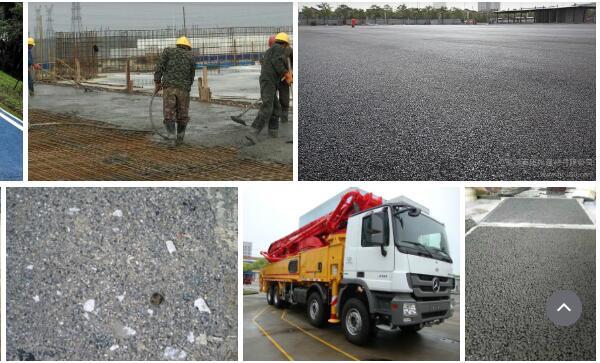
Cement concrete refers to the cement, admixture, sand aggregate, water and admixture in accordance with a certain proportion of mixing, after mixing, pouring molding and curing of solid materials, commonly known as cement products. Most concrete currently used on construction sites falls into this category.
Silicate concrete refers to the silica material and lime as the main cementitious material, and the right amount of aggregate water mixing, molding often pressure steam (90~100 ℃) or high pressure steam (>150 ℃, 0.8MPa) curing made of calcium silicate hydrate as the main component of artificial stone. This kind of concrete produced by hydrothermal synthesis technology is commonly known as silicate products.
At present, I have met many business leaders and technicians who can't distinguish between cement and concrete, and can't distinguish between cement concrete (products) and silicate concrete (products). They think that cement and concrete are both building materials and are the same thing., Cement concrete is Portland concrete.
Due to our country's vast territory and large industry span, the demand for concrete is particularly large, and there is a demand for concrete with different properties. Therefore, all concrete theories can find successful cases and markets in China, and each theory has failed. Experiences and cases, so it is objective to analyze technical problems with an inclusive and mutually understanding attitude, and to improve technical problems with the thinking of learning from each other.