Recently, the Ministry of Industry and Information Technology issued the "Beijing-Tianjin-Hebei and surrounding areas of the comprehensive utilization of industrial resources industry collaborative transformation and upgrading plan (2020-2022)." The clear development goal of the plan is that by 2022, the annual comprehensive utilization of industrial solid waste in the region will reach 0.8 billion tons, the recovery and utilization of major renewable resources will reach 0.15 billion tons, and the total industrial output value will exceed 900 billion yuan.
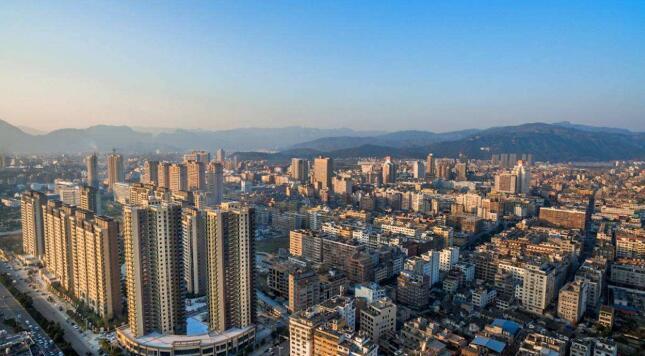
First, the collaborative use of industrial solid waste to prepare sand and gravel aggregate. Make full use of the existing industrial solid waste resources such as tailings and waste rocks in Beijing, Tianjin and Hebei and its surrounding areas, and focus on Zhangjiakou, Chengde, Tangshan and other places to build a batch of green sand and gravel aggregate bases such as tailings and waste rocks to prepare sand and gravel aggregates and dry-mixed mortar. By 2022, it has the production capacity to replace 0.1 billion tons of natural sand and gravel resources annually.
Second, promote the collaborative utilization of bulk metallurgy and coal-fired solid waste. In the metallurgical and coal-fired power industry concentration areas in Hebei, Shanxi, Inner Mongolia, Shandong, Henan and other places, build more than 10 production bases that coordinate the use of metallurgical and coal-fired solid waste to prepare full solid waste cementitious materials, concrete, roadbed materials, etc., and promote The coupled symbiosis of steel, coal power, building materials, chemical industry and other industries has achieved an annual consumption of 0.3 billion tons of industrial solid waste.
Third, expand the industrial scale of high-value utilization of industrial solid waste. Focusing on Hebei and Shandong, we will carry out the overall utilization of multi-element recycling of metallurgical solid waste to improve the recovery efficiency of valuable components such as copper, lead, zinc, and gold. Focusing on Shanxi, Inner Mongolia, Hebei and other places, we will carry out the promotion and application of high-value products such as industrial by-product gypsum, fly ash, coal gangue, tailings, and hot melt slag to prepare new building materials, and increase the high-value utilization capacity of industrial solid waste. 10 million tons/year.
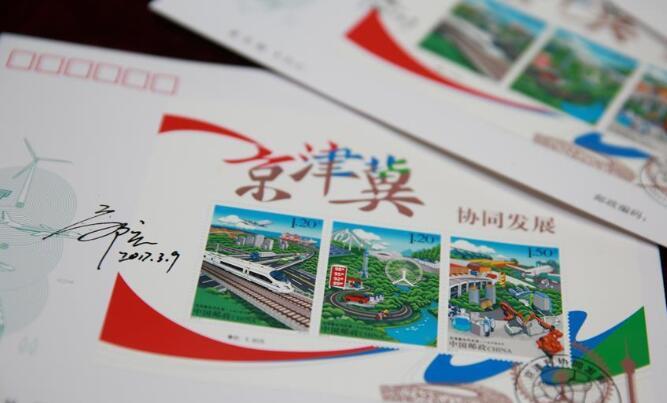
Build a green Xiong'an. Give full play to Tangshan tailings, waste stone resources rich advantages, the construction of solid waste mechanism sand aggregate, precast concrete structure, all solid waste gel materials and other building supply base, for the infrastructure construction of Xiong'an New Area to provide high quality building materials. Taking the pilot project of "waste-free city" as an opportunity, we will strive to eliminate construction waste on the spot, promote the comprehensive utilization of industrial solid waste and the recycling of renewable resources in the surrounding areas of xiong'an new area in an orderly manner, build an Internet renewable resource recycling system, and establish a long-term mechanism for the collaborative treatment of solid waste in xiong'an new area and surrounding cities.
Innovation leads collaborative development. Support key enterprises, scientific research institutes, and universities to establish regional innovation platforms such as industry-university-research technology innovation alliances and innovation centers, accelerate the development and industrial application of common key technologies of solid waste, and support industrial upgrading with technological innovation. We will actively cultivate service providers for the comprehensive utilization of resources, deepen the evaluation system for the comprehensive utilization of industrial solid waste resources, explore the establishment of mutual recognition of tax relief, sharing of facilities and coordination of policy systems, and promote industrial upgrading through mechanism innovation.