

-
-
-
-
Technical Services
-
Video picture

23
2020
-
07
Introduction and difference of cement physical foaming and chemical foaming
Foamed cement can be divided into physical foaming and chemical foaming according to different production methods.
Physical foaming is a mechanical method to introduce air, nitrogen, hydrogen, carbon dioxide or oxygen into the slurry formed by cement, cementing material, foam stabilizer and water to form a more stable liquid slurry system. The stabilization time of the liquid slurry system should be greater than the initial setting time of the cement.
Chemical foaming is the material (foaming agent) that can chemically react and produce gas, and the gelling material, foam stabilizer and water are stirred evenly together, and then poured into shape to make the foaming agent react to produce bubbles. The best reaction state is almost no reaction during stirring, and the reaction is gradually completed after pouring and before the initial setting of cement. The principle of chemical foaming is the same as that of steamed bread.
1. principle is different
Through the chemical reaction to produce gas and make the concrete mixture inside the formation of bubbles, and the physical bubble process is the use of surfactants to reduce the surface tension of water, so that the water film in the role of the bubble machine, covered with air and the formation of bubbles, in the use of the bubble mixing machine to introduce bubbles into the concrete mixture.
2. process is different
Chemical foaming is mixed into the concrete mixture with chemical foaming agent, which is mixed first and then foamed. However, the physical foam making process is mixed into the concrete mixing room with bubble aggregate (foam), which is made first and then mixed.
3. slurry changes differently
For the concrete mixture used for chemical foaming, after adding foaming agent, its volume gradually expands and increases with the beginning of foaming;
After the foam is mixed into the concrete mixture, the volume of the physical foam making process reaches the maximum, no longer expands, and sometimes shrinks.
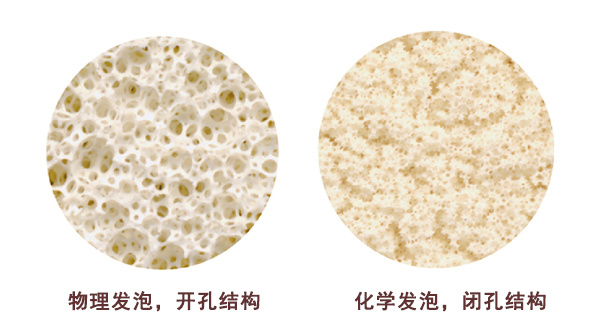
Different 4. hole shape
The pores formed by physical foaming are small, and it is difficult to form uniform large pores of more than 5mm, while chemical foaming can form fine pores or large pores of 3-10mm.
Introduction of 5. cement foaming agent
Foaming agent a chemical admixture, that is, can make its aqueous solution in the case of mechanical force into the air, a large number of foam, so that the object material into the hole of the material. It can be divided into three categories: chemical foaming agent and physical foaming agent and surfactant.
The foaming agent shall have the following characteristics:
(1) the foaming speed should be appropriate, too fast or too slow will affect the quality of concrete.
(2) The diameter of the generated hydrogen bubbles should be small and evenly dispersed. Especially when the cement slurry is poured into the mold under the full volume state, it needs to be dispersed evenly to ensure the quality of the mold.
(3) The generation of gas shall not affect the setting and curing of cement. If the cement setting is delayed, it will lead to a decrease in cement strength or abnormal cement setting.
Chemical foaming, physical foaming, foamed cement
No.25, Fulian Road, Fu'an Industrial Zone, Foshan City
No. 7, Jianyi Road, Xinjiang Wujiaqu Industrial Zone, Bingtuan New Building Materials Industrial Park
12 Potsdam Avenue, Berlin, Germany
WeChat Public Number
TikTok
Copyright©2014-2025 Guangzhou Hengde building materials Co. Ltd.